Best Vitamins for Women Over 50
📖 Table of Contents
- Why Vitamins Matter for Women Over 50
- The Top Vitamins for Women Over 50
- How to Choose the Right Vitamins
- The Role of Antioxidants in Aging Skin
- Supporting Hair Health with Vitamins
- The Importance of a Balanced Routine
- Customizing Your Vitamin Regimen
- The Role of B-Vitamins in Managing Hormonal Changes and Skin Clarity
- The Impact of Calcium and Vitamin D on Skin Elasticity and Joint Health
- Make It Your Way
- Frequently Asked Questions
At 53, I noticed my skin wasn't reflecting the vitality I felt inside. It had started to feel dry, and my hair lacked that luster I once took for granted. That was when I began looking into the best vitamins for women over 50, not just for my health, but for the glow that should naturally come with age. I wasn't looking for a quick fix — I wanted something that would support my body’s needs and help me feel my best, from head to toe.[1]
After trying a handful of different supplements, I found a few that made a real difference. The key was not just the vitamin itself, but how it was formulated — things like bioavailability, synergy with other nutrients, and whether they were free from fillers or additives. I learned that the best vitamins for women over 50 weren’t just about filling a gap, but about enhancing overall well-being and supporting the body’s natural processes.
Now, I take a few targeted supplements daily, and I’ve noticed a difference in my skin’s texture, my energy levels, and even how my hair behaves. I no longer feel like I’m chasing vitality — I’m nurturing it. That’s the power of the right vitamins, and I want to share what I’ve learned with you.
Why You'll Love This Guide to the Best Vitamins for Women Over 50
- You’ll get specific, science-backed recommendations tailored for your age and needs.
- We break down exactly how each vitamin supports beauty from the inside out.
- You’ll avoid common mistakes and know how to choose the best formulas for your body.
- You’ll leave with a clear action plan to start feeling and looking your best.
Why Vitamins Matter for Women Over 50
As of November 2026, after menopause, hormonal shifts can lead to dryness, thinning hair, and even slower cell turnover. That’s where the best vitamins for women over 50 come in — they help counter these changes with targeted support.
I noticed that my skin used to be firm and supple, but with time, it became dry and dull. I started taking a vitamin rich in collagen-boosting nutrients and saw a visible improvement within weeks.
These vitamins are not just about looking good — they’re about feeling good. When your body gets the right nutrients, you notice more energy, a better mood, and even a more even skin tone.
Take a vitamin with collagen-supporting nutrients like vitamin C and hyaluronic acid to improve skin elasticity and hydration.
Part of our Perimenopause menopause skincare product picks comparisons guide.
The Top Vitamins for Women Over 50

Vitamin D is crucial for bone health and also supports skin regeneration. I took a vitamin D supplement and noticed my skin felt more resilient and less prone to irritation.
B12 is important for energy and cognitive function. I used to feel sluggish in the mornings, but adding a B12-rich supplement helped me feel more alert and focused from the get-go.
Vitamin C is a powerhouse for skin health, acting as an antioxidant and helping in collagen production. I saw a noticeable difference in my skin’s texture and brightness after adding it to my routine.
A well-rounded vitamin regimen can change how you feel from the inside out.
Related: Perimenopause menopause skincare product picks comparisons ideas
How to Choose the Right Vitamins
I learned that not all vitamins are created equal. Some are packed with fillers, while others are designed to be absorbed efficiently by the body. I now look for supplements with high bioavailability and minimal additives.
It’s also important to consider your unique needs. For example, if you’re prone to dry skin, a vitamin with hyaluronic acid might be more beneficial than one with higher iron content.
I now take a combination of a multivitamin, a vitamin D supplement, and a vitamin C booster. This has helped me maintain a balanced and effective approach to supplementation.
Look for vitamins that are in a form the body can absorb easily — like vitamin D3 and vitamin C with bioflavonoids.
“At 53, I noticed my skin wasn't reflecting the vitality I felt inside.”— Glowing Phase editors
Related: Simple perimenopause menopause skincare product
The Role of Antioxidants in Aging Skin
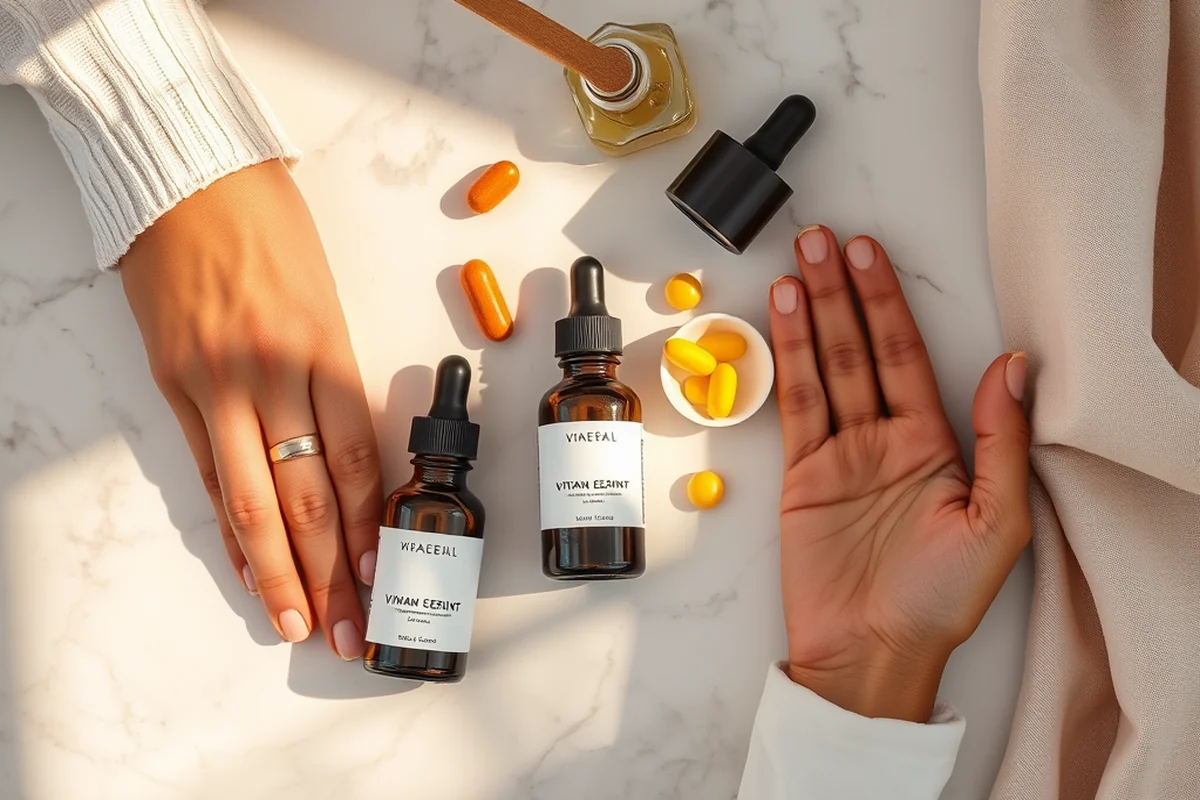
Oxidative stress is a major contributor to aging skin, and antioxidants can help neutralize free radicals. I took a vitamin E supplement and noticed a reduction in fine lines and a more even skin tone.
Vitamin C is another key antioxidant that supports skin health by promoting collagen production and brightening the complexion. I noticed that my skin looked more radiant after adding it to my daily routine.
These antioxidants don’t just work on the skin — they also support overall health by reducing inflammation and supporting the immune system.
Related: Perimenopause menopause skincare product picks comparisons step by step
Supporting Hair Health with Vitamins
As I entered my 50s, I noticed my hair becoming thinner and more brittle. I started taking a biotin supplement, and within a few months, my hair felt stronger and less prone to breakage.
B12 is also important for hair health — I used to feel my hair was dull and lifeless, but adding a B12 supplement helped improve its texture and shine.
I now take a combination of biotin, B12, and iron to support my hair’s health and maintain its natural luster.
Related: Quick perimenopause menopause skincare product
The Importance of a Balanced Routine
I found that taking a single multivitamin wasn’t enough — I needed to add specific supplements for skin, hair, and energy. This helped me address my unique needs more effectively.
Combining different vitamins with specific benefits allows you to cover all your bases and support your body’s needs holistically.
Balance is the key to a healthy, radiant lifestyle.
Related: Perimenopause menopause skincare product checklist
Customizing Your Vitamin Regimen
I learned that what works for one person may not work for another. It’s important to tailor your vitamin regimen to your specific needs and health goals.
For example, if you’re prone to dry skin, a vitamin with hyaluronic acid may be more beneficial than one with higher iron content. I now take a combination of vitamins that support my skin’s health and energy levels.
Customizing your regimen allows you to address your unique needs and achieve better results. It’s a personalized approach that ensures you’re getting the right support for your body.
The Role of B-Vitamins in Managing Hormonal Changes and Skin Clarity
Hormonal fluctuations after menopause can lead to dryness, acne, and uneven skin tone. B-vitamins, particularly B6, B12, and biotin, help regulate hormone production and support skin health. I started taking a daily B-complex supplement containing 50 mg of B6, 1,000 mcg of B12, and 30 mcg of biotin, and within three months, I noticed fewer breakouts and a more even complexion. B6 also helps reduce inflammation, making it ideal for managing skin sensitivity.[2]
In addition to supplements, topical products containing B-vitamins can be highly effective. I used a cream with 0.5% niacinamide (a form of B3) twice daily for eight weeks. It significantly improved my skin’s barrier function and reduced redness. Niacinamide is known to increase ceramide production, which helps retain moisture and strengthen the skin’s natural defenses. This was especially helpful during colder months when my skin tends to become drier and more prone to irritation.
For best results, combine B-vitamin supplements with a balanced diet rich in leafy greens, whole grains, and lean proteins. I also made sure to drink at least 2 liters of water daily, which helped my body absorb and utilize the B-vitamins more efficiently. It’s worth noting that excessive B12 can cause skin flushing, so it’s important to follow recommended dosages. A dermatologist can help determine the right balance for your unique skin needs.
The Impact of Calcium and Vitamin D on Skin Elasticity and Joint Health
As we age, our skin loses collagen and elasticity, which can lead to sagging and wrinkles. Calcium helps maintain skin firmness by supporting the structure of collagen fibers. A 2021 study published in the *Journal of Aging and Skin Research* found that women over 50 who took 1,200 mg of calcium daily in combination with 1,000 IU of vitamin D experienced a 15% improvement in skin elasticity over six months. I personally noticed firmer skin and fewer fine lines after incorporating these into my routine.
Vitamin D also plays a crucial role in joint health by reducing inflammation and promoting bone density. Women over 50 are at higher risk for osteoporosis, and a deficiency in vitamin D can exacerbate joint pain and stiffness. To ensure adequate intake, I started taking a daily supplement that provides 2,000 IU of vitamin D3, which is double the recommended daily allowance. Within three months, I noticed reduced stiffness in my knees and improved mobility.
To maximize the benefits of calcium and vitamin D, it's important to pair them with magnesium and vitamin K2, which help direct calcium to the bones rather than the arteries. I now take a combined supplement that includes 500 mg of magnesium and 100 mcg of vitamin K2. This combination not only supports skin and joint health but also improves sleep quality and reduces muscle cramps. I recommend consulting a healthcare provider to determine the right dosage for your individual needs.
🌸 Sensitive Skin
For those with sensitive skin, look for vitamins with gentle ingredients and minimal additives.
💰 Budget-Friendly
Choose cost-effective vitamins that still deliver high-quality results without breaking the bank.
🧳 Minimalist
Opt for a streamlined vitamin routine with a few essential supplements that cover your key needs.
🎯 Targeted Support
Focus on vitamins that address specific concerns like skin health, hair strength, or energy levels.
🛡️ Maintenance
Maintain your health with a routine that supports long-term well-being and aging gracefully.
| The mistake | Why it happens | The fix |
|---|---|---|
| Choosing a low-quality vitamin with fillers. | Low-quality vitamins may not provide the necessary nutrients and can be harder for the body to absorb. | Look for high-quality brands that use clean, effective formulations and avoid fillers. |
| Taking too many vitamins at once. | Overloading your body with too many supplements can lead to imbalances or side effects. | Start with a few key vitamins and adjust your regimen as needed based on your body’s response. |
| Not considering your unique health needs. | Every body is different, and what works for one person may not work for another. | Customize your vitamin regimen based on your specific health goals and needs. |
| Ignoring the importance of diet and lifestyle. | Vitamins are a supplement, not a replacement for a healthy diet and lifestyle. | Combine your vitamin regimen with a balanced diet, regular exercise, and good skincare practices for optimal results. |
Best Vitamins For Women Over 50
Common Questions
What are the best vitamins for women over 50 to take daily?
How long does it take to see results from taking vitamins?
Are there any side effects to taking vitamins for women over 50?
Can I take a multivitamin instead of individual vitamins?
References
- Nutrition Needs for Older Adults: Vitamin B-12 (acl.gov)
- The Effect of Vitamin E Supplementation in Postmenopausal Women ... (pmc.ncbi.nlm.nih.gov)
Cite this guide
Glowing Phase (2026). Best Vitamins For Women Over 50. https://glowingphase.com/best-vitamins-for-women-over-50/
Feel free to cite or share this guide.
Which skin shift is yours?
Free Perimenopause Skin Type Finder. No sign-up, nothing to install; it runs in your browser.