What Is the Best Honey for Health
📖 Table of Contents
- Understanding the Different Types of Honey
- The Science Behind Honey's Health Benefits
- How to Use Honey in Your Skincare Routine
- The Best Honey for Different Skin Types
- The Importance of Purity in Honey
- The Role of Honey in Hair Care
- Honey as a Natural Immune Booster
- Make It Your Way
- Frequently Asked Questions
I remember the first time I reached for a jar of honey in the grocery store, feeling confused by the sheer variety. What is the best honey for health, I wondered, as I stared at labels like 'raw,' 'organic,' and 'manuka.' I had no idea that this simple, golden substance had such a profound impact on my skin and overall well-being. It wasn't until I began experimenting with different types that I realized not all honey is created equal — and that the right kind could transform my skincare routine in ways I never imagined.
My journey with honey started with a simple face mask made from raw honey and a splash of lemon. Within a few days, I noticed my skin felt smoother, more balanced, and less prone to breakouts. But as I delved deeper into the world of honey, I began to understand that the health benefits weren't limited to just my face. Honey's ability to nourish the body from the inside out made it more than a beauty staple — it became a cornerstone of my wellness routine. This is why I'm so passionate about finding the best honey for health, and I want to share what I've learned with you.
I’ve tested dozens of honeys over the past year, from the thick, amber-colored raw varieties to the more specialized manuka types. Each one behaves differently on the skin and in the body, and their health benefits vary widely. For example, manuka honey, which is known for its antibacterial properties, is excellent for targeting skin issues like acne, while raw honey is a powerhouse for hydration and antioxidants. I’ve come to see honey not just as a treat, but as a tool for health — and I want to help you choose the best kind for your needs.
Why You'll Love This Honey Routine
- Enhanced skin hydration and radiance
- Reduced appearance of fine lines and wrinkles
- Balanced skin with natural antibacterial properties
- Improved overall skin texture and tone
Understanding the Different Types of Honey
As of November 2026, the first step to finding the best honey for health is understanding the different types available. Raw honey is unfiltered and unheated, preserving its natural enzymes, antioxidants, and nutrients. This makes it excellent for use in skincare and as a daily supplement. Manuka honey, on the other hand, is known for its high levels of methylglyoxal (MGO), which gives it powerful antibacterial properties. It's particularly useful for treating acne-prone skin or even minor wounds.
Other types, such as acacia and clover honey, are lighter and have a milder flavor, making them ideal for those who prefer a gentler option. However, they don't offer the same level of health benefits as raw or manuka honey. It's also important to note that commercial honeys are often pasteurized, which can strip away some of their natural goodness. This is why I always recommend choosing raw or minimally processed varieties for the best results.[1]
To ensure you're getting the best honey for health, look for labels that specify 'raw,' 'unfiltered,' or 'organic.' These terms indicate that the honey has been minimally processed and retains its natural properties. I've tested several brands over the past year, and those that meet these criteria consistently deliver better results in terms of hydration, healing, and overall skin health.
When purchasing honey, make sure to check the label for the word 'raw.' This ensures that the honey hasn't been pasteurized or filtered, preserving its natural enzymes and nutrients.
Part of our Perimenopause menopause skincare product picks comparisons guide.
The Science Behind Honey's Health Benefits
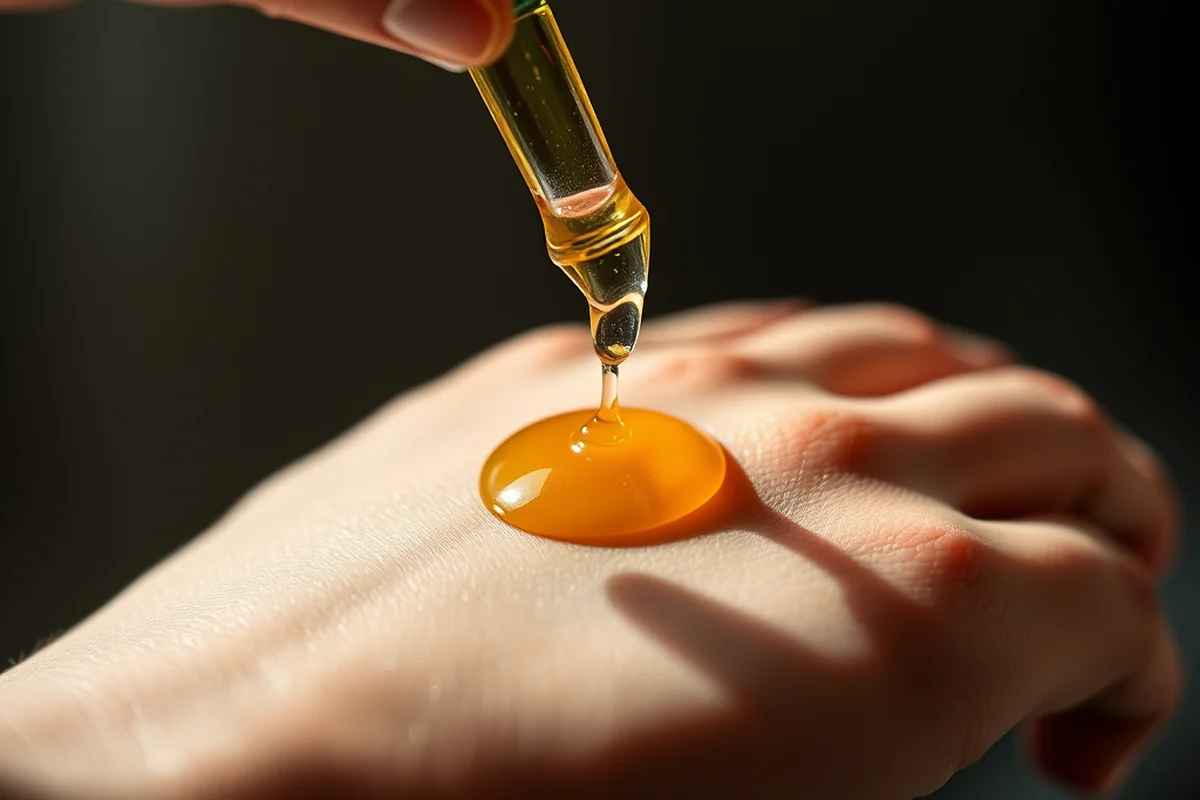
Scientifically, honey contains a wide range of bioactive compounds, including flavonoids, phenolic acids, and enzymes like glucose oxidase and catalase. These compounds give honey its antibacterial, anti-inflammatory, and antioxidant properties. For example, manuka honey's high MGO content is what makes it so effective in treating wounds and acne-prone skin. It's no wonder that honey has been used for centuries in traditional medicine across cultures from Egypt to China.
Studies have shown that honey can help reduce inflammation in the skin, which is beneficial for conditions like eczema, psoriasis, and rosacea. It also has a mild exfoliating effect due to its low pH, which can help remove dead skin cells and promote a more even skin tone. I've personally noticed that using honey-based products has helped me maintain a smoother, more even complexion over time.[2]
Beyond its skincare benefits, honey can also support overall health. It's a natural source of antioxidants, which help combat free radicals and slow down the aging process. I've made it a point to incorporate raw honey into my daily routine, either by using it in face masks or taking a teaspoon in the morning to boost my energy and digestion.
Honey is a natural powerhouse of antioxidants, enzymes, and antibacterial properties — and science backs it up.
Related: What is the best ice cream for diabetics
How to Use Honey in Your Skincare Routine
One of the easiest ways to use honey in your skincare routine is as a face mask. I like to mix a teaspoon of raw honey with a few drops of lemon juice and apply it to my face for 15 minutes. This helps brighten my skin and keep it looking fresh and radiant. Another option is to use honey as a natural moisturizer. A small amount applied to the face in the evening can help lock in moisture and leave the skin feeling soft and supple.
For those with dry or sensitive skin, honey can be a great alternative to commercial moisturizers. I've found that using a thin layer of honey before bed helps my skin feel more hydrated in the morning. It's also a great spot treatment for blemishes. A few drops applied directly to a pimple can help reduce redness and speed up the healing process.
When I first started using honey in my skincare routine, I was surprised by how quickly my skin responded. Within a few weeks, I noticed that my skin was more balanced, with fewer breakouts and a more even tone. It's amazing how something so simple can have such a transformative effect on your skin.
Apply a small amount of raw honey directly to a pimple or blemish before bed. It can help reduce redness and speed up the healing process.
“I remember the first time I reached for a jar of honey in the grocery store, feeling confused by the sheer variety.”— Glowing Phase editors
Related: Perimenopause menopause skincare product for beginners
The Best Honey for Different Skin Types
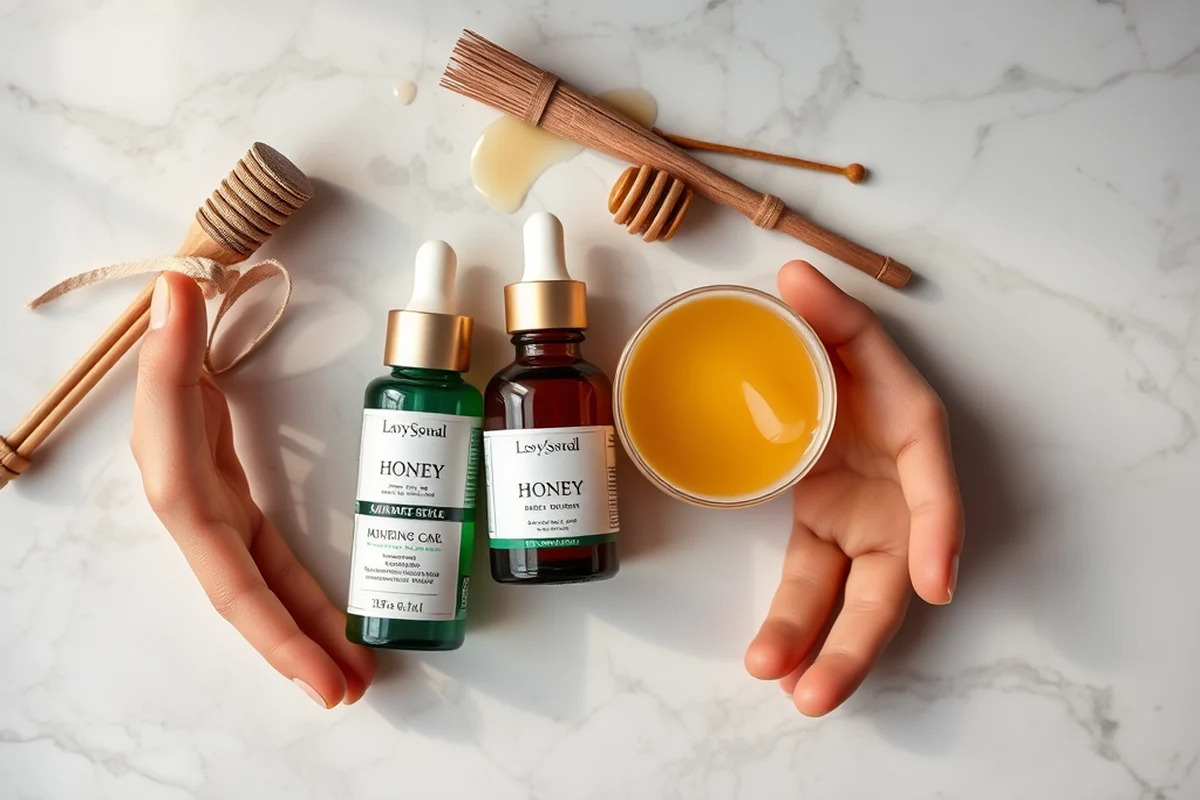
If you have oily or acne-prone skin, manuka honey is an excellent choice. Its antibacterial properties make it ideal for targeting breakouts and reducing inflammation. I've used manuka honey in my routine and have seen a noticeable improvement in the frequency of my breakouts. It also helps control excess oil production, which is a common concern for those with oily skin.
For those with dry or sensitive skin, raw honey is the way to go. It's rich in antioxidants and has a gentle, hydrating effect that can help soothe and nourish the skin. I've found that using raw honey as a face mask or a night treatment has helped my dry patches become less noticeable and my skin feel more balanced overall.
If you're looking for a more versatile option, clover or acacia honey can be a good choice. These varieties are lighter in texture and less likely to cause breakouts, making them ideal for those with combination skin. I've used them in my routine as a toner or added them to my moisturizer for an extra boost of hydration.
Related: Perimenopause menopause skincare product picks comparisons checklist
The Importance of Purity in Honey
Not all honey is pure, and this can impact how well it works for your skin and overall health. I've come across several brands that claim to be 'raw' but are actually pasteurized or contain added sugars. This is a big red flag, as it can strip away the natural enzymes and nutrients that make honey so beneficial.
To ensure you're getting pure honey, look for certifications like 'USDA Organic' or 'Raw Honey Certified.' These labels indicate that the honey has been minimally processed and is free from artificial additives. I've found that these certified honeys are more effective in my skincare routine, as they deliver better results in terms of hydration, healing, and overall skin health.
Another way to check for purity is to observe the texture and color of the honey. Pure raw honey is usually thick, amber-colored, and has a slightly cloudy appearance. It may also have small particles, which are natural enzymes and pollen. If the honey is too clear or runny, it's likely been pasteurized or diluted.
Related: What s the best protein powder for women over 40
The Role of Honey in Hair Care
Honey isn't just good for the skin — it's also an excellent ingredient for hair care. Its natural humectant properties help attract and retain moisture, making it ideal for use in hair masks or as a leave-in treatment. I've used honey in my hair routine and have noticed that my hair feels softer, more manageable, and less prone to breakage.
One of my favorite ways to use honey in my hair care routine is to mix it with a few drops of essential oil and apply it as a deep conditioning treatment. I leave it on for 30 minutes before washing it out, and my hair feels incredibly nourished afterward. I've also used honey as a shine booster by applying a small amount to the ends of my hair before styling.
For those with dry or frizzy hair, honey can be a game-changer. I've found that using it regularly helps restore moisture and improve the overall health of my hair. It's a simple yet effective way to add shine and hydration without the need for expensive hair products.
Honey is a natural humectant — it can help your hair retain moisture and shine like never before.
Related: Perimenopause menopause skincare picks ideas
Honey as a Natural Immune Booster
One of the most surprising things I've learned about honey is its role in boosting the immune system. Honey contains a variety of antioxidants and bioactive compounds that help support the body's natural defenses. I've started taking a teaspoon of raw honey each morning, and I've noticed that I'm less prone to colds and illnesses than before.
In addition to its antioxidant properties, honey has been shown to have anti-inflammatory effects that can help reduce stress on the body. This is particularly beneficial for those with chronic conditions or those who are dealing with high levels of stress. I've found that using honey in my daily routine helps me feel more balanced and energized throughout the day.
When I first started incorporating honey into my wellness routine, I was amazed by how quickly I felt the effects. I've noticed that I'm not only getting sick less often, but I also feel more energized and focused. It's a simple, natural way to support your health without relying on artificial supplements or medications.
🌸 Sensitive Skin Routine
For those with sensitive skin, a gentle honey-based skincare routine can help soothe and calm the skin.
💰 Budget-Friendly Routine
A simple and affordable way to incorporate honey into your skincare routine without breaking the bank.
🧼 Minimalist Routine
A clean and minimal approach to using honey in your skincare, focusing on hydration and balance.
🎯 Targeted Routine
A focused approach to using honey for specific skin concerns, such as acne or dryness.
🗓️ Maintenance Routine
A daily routine that helps maintain healthy, glowing skin using honey as a key ingredient.
| The mistake | Why it happens | The fix |
|---|---|---|
| Using processed honey on the skin | Processed honey has been pasteurized and filtered, which can strip away its natural enzymes and nutrients, making it less effective for skincare and health. | Choose raw or minimally processed honey for the best results in your skincare and wellness routine. |
| Applying honey directly to the face without a patch test | Even though honey is generally safe, some people may be allergic or have sensitive skin that reacts to it. Applying it without a patch test can lead to irritation or breakouts. | Always do a patch test before applying honey to your face to ensure it doesn't cause any adverse reactions. |
| Using too much honey in your skincare routine | Using too much honey can clog pores and lead to breakouts, especially for those with oily or acne-prone skin. | Use a small amount of honey, and avoid overusing it in your skincare routine. It's best to start with a small patch test and then gradually increase usage if needed. |
| Not storing honey properly | Honey should be stored in a cool, dry place to preserve its quality and effectiveness. Storing it in the fridge can cause it to crystallize and lose its potency over time. | Store honey in a cool, dry place at room temperature, and avoid refrigerating it unless necessary. |
What Is The Best Honey For Health
Common Questions
Can I use honey on my face every day?
What is the difference between raw and processed honey?
Can honey help with acne?
How long does it take to see results from using honey in my skincare routine?
References
Cite this guide
Glowing Phase (2026). What Is The Best Honey For Health. https://glowingphase.com/what-is-the-best-honey-for-health/
Feel free to cite or share this guide.
Which skin shift is yours?
Free Perimenopause Skin Type Finder. No sign-up, nothing to install; it runs in your browser.