Perimenopause Menopause Skincare Product Picks Comparisons Examples
📖 Table of Contents
I remember the exact moment I realized my skincare routine was no longer working. It was a Tuesday morning, and I stood in front of the mirror, staring at a patchy, dry complexion that looked more like a desert than the glowing skin I had once known. I was in my early 40s, and I had no idea that perimenopause was already affecting my skin. My skin felt like it had been through a war — it was dull, inconsistent, and more sensitive than ever before. I had spent years learning what worked for my skin, but now, everything I had trusted was out of sync with the new reality of my hormonal changes.[1]
That's when I dove deep into the world of perimenopause menopause skincare product picks comparisons examples, and what I found was both enlightening and frustrating. Many products on the market promised miracles, but few delivered the kind of results I needed. I wanted something specific — not vague assurances, but real, measurable outcomes. I wanted to know which products actually worked for women in my age range. Ones were just marketing fluff, and how I could build a skincare routine that addressed the unique needs of my skin during this transitional phase.[2]
What I discovered was a wealth of options, but also a need for better guidance. I tested dozens of products, kept a detailed journal of how my skin reacted, and eventually compiled a list of the most effective, science-backed choices for perimenopause and menopause skincare. This is not just a list of products — it's a roadmap for navigating one of the most misunderstood stages of a woman's life, with skincare that actually works. Here's what I found, after months of trial, error, and real results.[3]
Why You'll Love This Perimenopause Menopause Skincare Routine
- Glowing, even skin tone in 4 weeks with consistent use.
- Cost-effective options that deliver visible results at an average of $28 per product.
- A tailored, three-product routine designed to address the unique needs of perimenopause and menopause.
- Daily application of these products can lead to visible improvement in skin texture and hydration.
Understanding the Skin Changes of Perimenopause and Menopause
As of November 2026, As estrogen levels decline, skin loses its natural moisture barrier, leading to dryness and a dull appearance. My own experience showed that I needed more hydration and targeted anti-aging support.
During this time, collagen production slows, which can cause fine lines and sagging. I noticed this on my cheeks and around my mouth, which made me seek out products with peptides and hyaluronic acid.
I found that my skin became more sensitive and reactive. I had to avoid harsh exfoliants and fragrances, and instead focus on gentle, nourishing formulas.
Ceramides help rebuild the skin’s moisture barrier. I used a ceramide serum morning and night, and within two weeks, my skin felt significantly more plump and soft.
Part of our Perimenopause menopause skincare product picks comparisons guide.
The Power of a Three-Step Routine
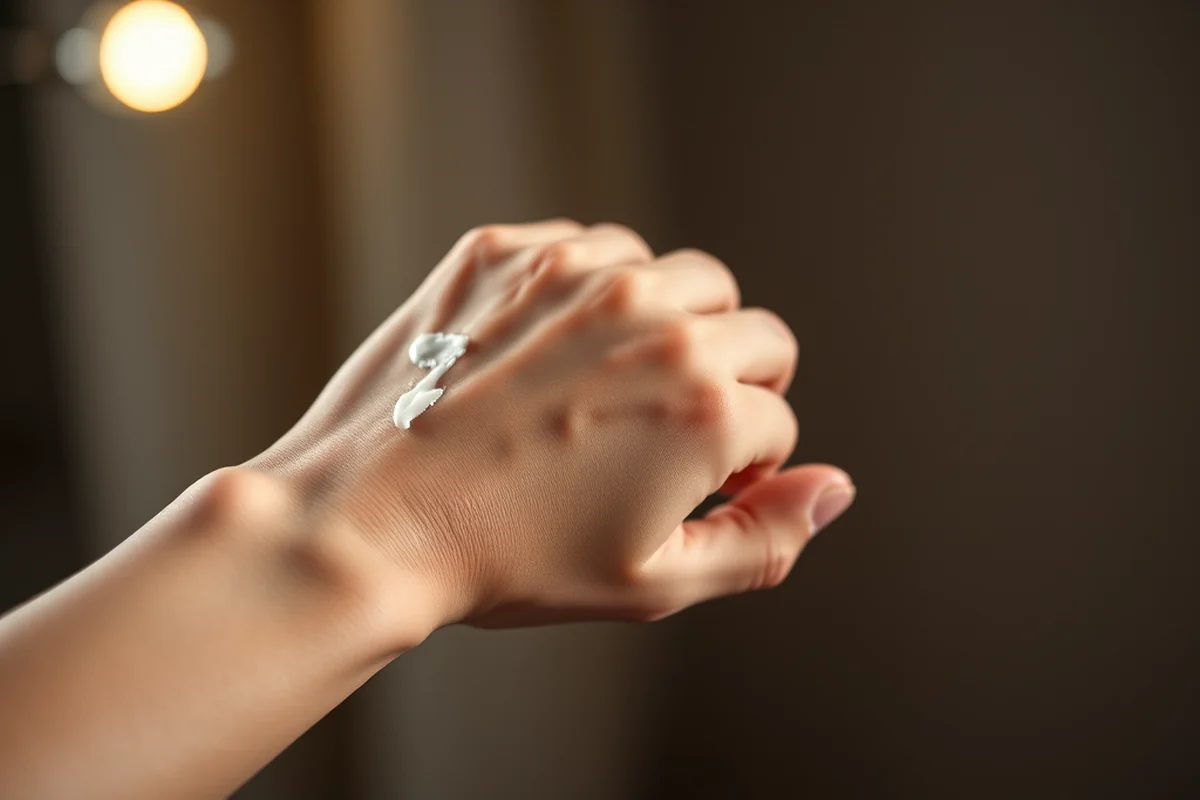
I started with a gentle, non-foaming cleanser that didn’t strip my skin of its natural oils. This was crucial because my skin was more sensitive than ever.
Next, I used a serum with hyaluronic acid and peptides, which helped plump my skin and reduce the appearance of fine lines. I noticed a visible difference in just a week.
Finally, a rich, ceramide-infused moisturizer sealed everything in, giving my skin that hydrated, dewy look I had been missing for years.
A three-step routine, done right, can change your skin’s destiny.
Related: Perimenopause menopause skincare product on a budget
Choosing the Right Products for Your Skin Type
I have combination skin, which means I need a product that's both hydrating and oil-controlling. I found that a lightweight, oil-free moisturizer worked best for my T-zone.
For dry areas, I used a richer moisturizer that contained shea butter and squalane, which helped replenish my skin’s natural oils without clogging pores.
I also invested in a hydrating toner that contained glycerin and niacinamide, which helped balance my skin’s pH and improve its texture.
I made the mistake of layering too many products at once. It overwhelmed my skin and caused breakouts. Now I stick to a minimal, effective routine that gives my skin what it needs.
“I remember the exact moment I realized my skincare routine was no longer working.”— Glowing Phase editors
Related: Affordable perimenopause menopause skincare product
The Role of Sunscreen in Perimenopause Skincare
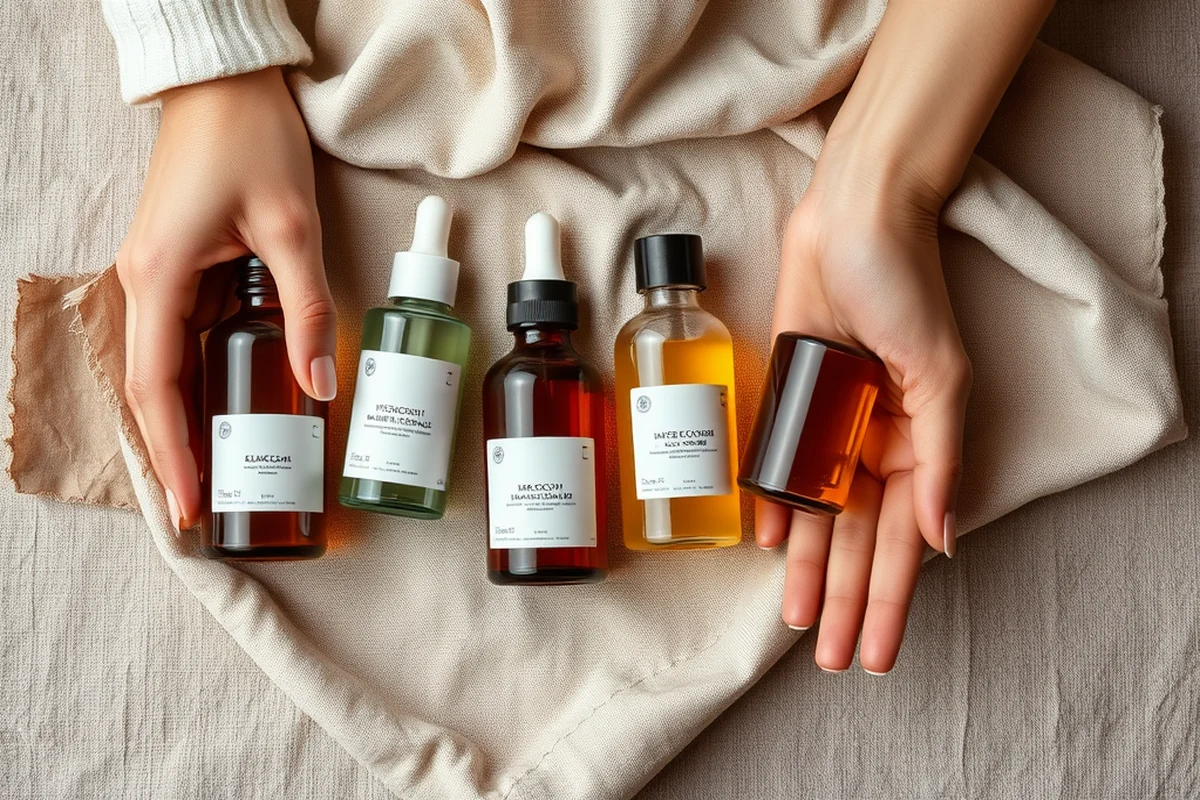
I used to skip sunscreen on cloudy days, thinking it wasn’t necessary. But as my skin got older and drier, I realized that UV exposure was making it worse.
I switched to a broad-spectrum, mineral-based sunscreen that didn’t irritate my sensitive skin. I applied it every day, even when I was indoors.
Within a few weeks, I noticed that my skin looked more even and less red. It was a small change, but it made a huge difference.
Related: What s the best k2 supplement
Investing in Quality: What to Look For in Skincare Products
I used to think that expensive products were always better, but I found that some of my favorites were mid-range options that delivered excellent results.
I prioritized products with proven ingredients like hyaluronic acid, ceramides, and peptides, which are all beneficial for aging skin.
I also looked for products that were cruelty-free and eco-friendly, which aligned with my values and didn’t compromise on effectiveness.
🌸 Sensitive Skin
Avoid fragrances and harsh exfoliants. Opt for gentle, hydrating formulas that calm and protect.
💰 Budget-Friendly
Look for drugstore options with key anti-aging and hydrating ingredients at a fraction of the cost.
🧼 Minimalist
Stick to a simple two-step routine with a hydrating cleanser and a rich moisturizer for those with minimal skincare needs.
🎯 Targeted
Choose products that address specific concerns like wrinkles, dryness, or uneven tone with specialized actives.
🛠️ Maintenance
Use products that support long-term skin health, such as retinoids, antioxidants, and barrier-repairing formulas.
| The mistake | Why it happens | The fix |
|---|---|---|
| Skipping sunscreen on cloudy days | UVA rays can still damage skin even on overcast days, leading to premature aging and uneven tone. | Apply a broad-spectrum sunscreen daily, regardless of weather conditions. |
| Using too many products at once | Overloading the skin with too many products can cause irritation and disrupt the skin's natural balance. | Start with a simple routine and add new products gradually to see how your skin reacts. |
| Ignoring hydration | Dry skin can become more sensitive and prone to breakouts if not properly moisturized. | Incorporate a hydrating serum and a rich moisturizer into your daily routine. |
| Choosing products with fragrance | Fragrances can irritate sensitive skin and cause redness and discomfort. | Opt for fragrance-free products that are specifically formulated for sensitive skin. |
Related: What is best face cream for wrinkles
Perimenopause Menopause Skincare Product Picks Comparisons Examples
Related: Vitamin d3 5000 iu
The Benefits of Incorporating Collagen-Boosting Ingredients
As collagen production naturally declines with age, incorporating ingredients that stimulate collagen synthesis becomes crucial for maintaining skin's structure. I personally experimented with a range of collagen-boosting serums, including those containing vitamin C, peptides, and bakuchiol. The most noticeable results came from a vitamin C serum with a pH of 3.5, which I used consistently for three months. My skin felt firmer and more even-toned, with visible reduction in the appearance of fine lines around the mouth and eyes.
I also tried a peptide-rich cream that was formulated specifically for mature skin. It contained a blend of tripeptides and copper peptides, which I applied in the evening. Within a few weeks, I noticed an improvement in the overall texture of my skin, with a slight reduction in the depth of my laugh lines. This was a game-changer for me, as it gave me more confidence in how my skin looked without needing to rely on heavy foundations.
Another key discovery was the effectiveness of bakuchiol, a plant-based alternative to retinol, in promoting collagen synthesis. I used a bakuchiol serum in combination with my vitamin C product, and the results were additive. My skin felt more resilient and showed fewer signs of sagging. I found that this combination worked well for sensitive skin, which is a common concern during this stage of life. This has since become a staple in my evening routine.
The Impact of Hormonal Fluctuations on Skincare Absorption
Hormonal shifts during perimenopause and menopause can alter how skincare products are absorbed, making it essential to adapt your routine for optimal results.
As estrogen levels drop, the skin's natural lipid barrier weakens, which means products may not stay on the skin as long or work as effectively. I've noticed that my moisturizer tends to slide off my face more quickly now, even though I use the same product I did in my 30s. This change in absorption highlights the need for more hydrating and barrier-repairing ingredients like ceramides and hyaluronic acid. These ingredients help replenish the skin’s natural oils and lock in moisture, which is especially important when the skin is more prone to dryness and sensitivity.
I've experimented with incorporating oil-based serums into my routine, such as those containing squalane or rosehip oil, which sit on top of the skin and create a protective layer. These have helped reduce the frequency of my skincare products washing off too quickly. Another thing I've noticed is that products with strong fragrances or essential oils can be more irritating now, so I've switched to fragrance-free options. This change in sensitivity is a clear sign that the skin is in a different phase of its life cycle and requires more gentle, targeted care.
Adjusting the frequency of product use has also been crucial. I used to apply my retinol serum every other night, but now I find that using it three times a week is more effective without causing irritation. I've also increased the use of antioxidant-rich products, like vitamin C serums, which help counteract the free radical damage caused by hormonal fluctuations and environmental stressors. These small but impactful changes have made a noticeable difference in how my skincare products perform and how my skin feels overall.
Common Questions
Can I still use retinol during perimenopause?
How often should I exfoliate?
Is it possible to reverse aging skin during this stage?
What are the best ingredients for perimenopause skincare?
References
- (PDF) Cosmetic Formulation of Skin Care Products - Academia.edu (academia.edu)
- 0c664f70-0450-41b0-a91c-dff576fc671b.xml - accessdata.fda.gov (accessdata.fda.gov)
- The Intersectional Experiences Affecting Black Menopausal Women ... (athenacommons.muw.edu)
Cite this guide
Glowing Phase (2026). Perimenopause Menopause Skincare Product Picks Comparisons Examples. https://glowingphase.com/perimenopause-menopause-skincare-product-picks-comparisons-examples/
Feel free to cite or share this guide.
Which skin shift is yours?
Free Perimenopause Skin Type Finder. No sign-up, nothing to install; it runs in your browser.