Menopause Hair Care Tips
📖 Table of Contents
At 52, I noticed my hair started thinning and breaking more often. I was washing it every other day, using a volumizing shampoo I’d trusted for years, and still, strands were falling out in my hands. I didn’t know it then, but this was a common experience for women going through menopause. My hair was reacting to the sudden drop in estrogen, and I needed to learn how to care for it differently.[1]
Menopause is a natural transition, but it can wreak havoc on your hair. Hormonal changes during this phase can lead to dryness, thinning, and even hair loss. I spent months researching menopause hair care tips and experimenting with products and routines that actually worked. What I found was not just about what to use, but how to use it—and when to adjust.[3]
Through trial and error, I discovered that menopause hair care tips aren’t just about avoiding damage. They’re about nourishing the scalp, protecting the hair shaft, and adapting your routine to the unique challenges of aging hair. These are the lessons I want to share with anyone going through this transition, because your hair deserves more than a quick fix—it deserves real, science-backed care.[4]
Why You'll Love This Menopause Hair Care Guide
- Learn to nourish your hair with the right ingredients and tools.
- Discover how to adapt your routine for hormonal changes.
- Get practical, step-by-step tips for daily hair care.
- Avoid common mistakes that lead to further hair damage.
Understanding Hormonal Changes and Their Impact on Hair
As of September 2026, Estrogen plays a crucial role in hair growth and thickness. As estrogen levels drop during menopause, hair can become brittle and prone to breakage. I noticed my hair was more dry and dull after menopause, even though I hadn’t changed my routine. This was due to the lack of estrogen, which naturally keeps hair hydrated and strong.
Progesterone and testosterone also play a role in hair health. During menopause, the ratio of these hormones shifts, which can lead to more hair loss. I read that about 40% of women experience hair loss during menopause, which made me realize this wasn’t just a personal issue—it was a widespread one.[2]
Understanding this helped me shift my approach from just washing and styling to nourishing and protecting. I started using moisturizing shampoos and deep conditioners, which made a noticeable difference in my hair’s texture and strength.
Switch to a sulfate-free, hydrating shampoo and a deep conditioner. I now use a leave-in conditioner every other day, and my hair feels less dry and breakage has reduced significantly.
The Importance of Scalp Health
I used to ignore my scalp until I noticed more hair falling out. I started using a gentle scalp scrub twice a week, which helped remove buildup and improve circulation. The result? My hair felt more anchored and less prone to breaking.
Scalp health is often overlooked, but it’s where hair growth begins. I now use a clarifying shampoo once a week to prevent buildup from oils and products. This simple step has made my hair feel more vibrant and less lifeless.
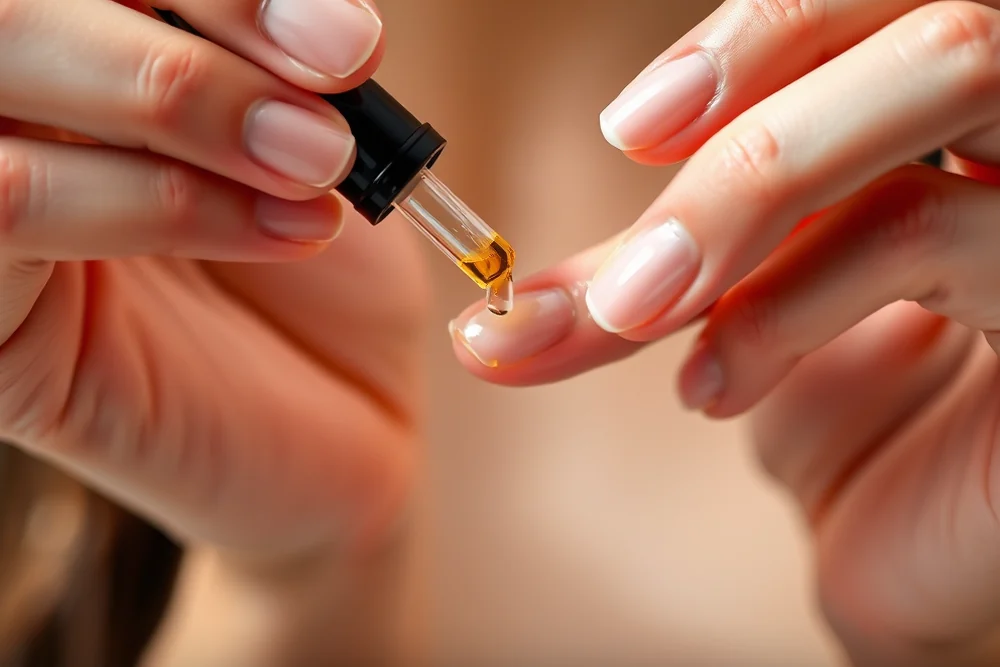
I’ve also noticed that massaging my scalp with a few drops of essential oils, like rosemary or peppermint, helps stimulate hair growth. It’s a small addition to my routine, but it makes a big difference.
Your scalp is the foundation of your hair—don’t neglect it.
Related: Menopause and thinning hair what can help
Related: How to grow hair during menopause
Related: Losing hair menopause solutions
Related: Hygiene in menopause and hair care
Related: What s the best vitamins for men over 50
Choosing the Right Hair Products
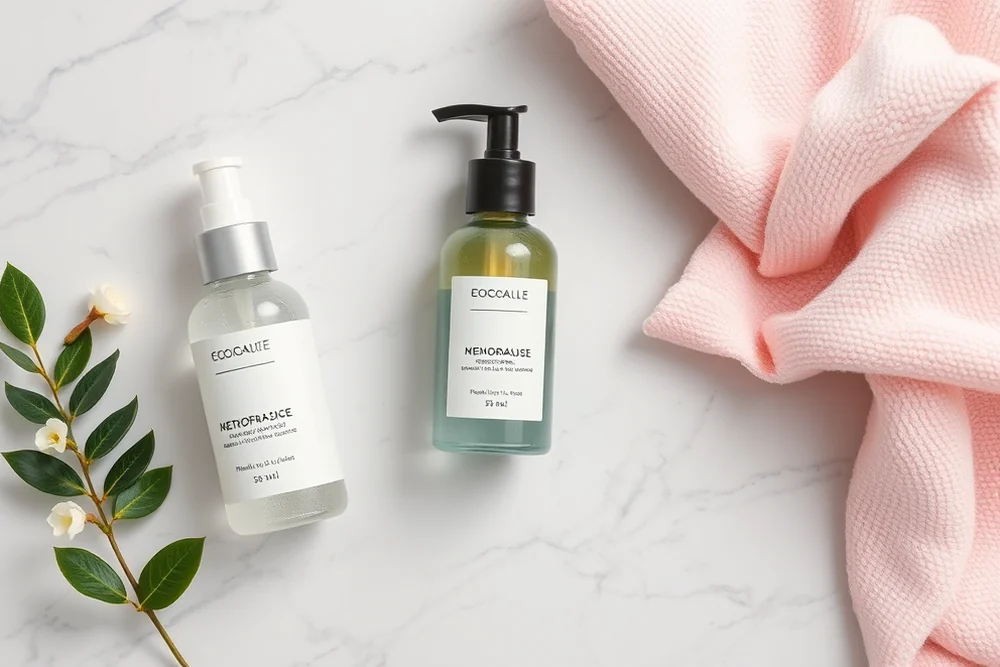
I used to rely on my old volumizing shampoo, but it left my hair dry and more prone to split ends. I switched to a hydrating shampoo that contains ingredients like hyaluronic acid and panthenol. My hair has never been softer or more manageable.
I now look for products with biotin and niacinamide, which support hair strength and scalp health. I’ve also started using a serum with keratin, which helps repair damaged hair and protect it from heat styling.
I’ve made a point to avoid sulfates, parabens, and alcohol-based products, which can strip natural oils and leave hair dry. This change alone has helped my hair feel more nourished and less frayed.
These ingredients help strengthen hair and maintain moisture. I now use a serum with keratin and a moisturizing shampoo with hyaluronic acid, and my hair is more resilient than ever.
“At 52, I noticed my hair started thinning and breaking more often.”— Glowing Phase editors
Adjusting Your Haircare Routine for Menopause
I used to wash my hair every day, but after menopause, my scalp became more sensitive and my hair more dry. I now wash every other day, which has helped reduce breakage and made my hair feel healthier.
I also use a dry shampoo on non-wash days to absorb excess oil and keep my hair looking fresh. This has been a game-changer for me, especially on busy days when I can’t spare the time for a full wash.
I’ve also started using a heat protectant every time I use a flat iron or curling wand. My hair used to be damaged by heat, but now I feel like it’s more protected and less prone to split ends.
Nutrition and Supplements for Hair Health
I started taking a daily supplement with biotin, zinc, and omega-3s, and I noticed a visible improvement in my hair’s thickness and shine. These nutrients support hair growth and prevent breakage.
I also eat more foods rich in protein, like eggs, nuts, and fish. My hair feels more full and less brittle now. I’ve also increased my intake of leafy greens, which are packed with vitamins and minerals that support hair health.
Staying hydrated is another key factor. I drink at least 8 glasses of water a day, and I’ve noticed my hair feels softer and more manageable. I’ve also cut back on caffeine and alcohol, which can contribute to dryness and hair loss.
⭐ Classic
The original hydrating mask with avocado and coconut oil for maximum moisture.
💰 Budget
A simplified version using olive oil instead of coconut oil and honey for a cost-effective alternative.
⚡ Extra-Fast
A no-mess option using store-bought hair mask and a few drops of essential oils for a quick treatment.
✨ Depth
An enhanced version with added keratin and protein-rich ingredients for deeper nourishment.
🥗 Light
A lightweight mask with minimal oil and more hydrating ingredients for fine or thinning hair.
| The mistake | Why it happens | The fix |
|---|---|---|
| Using the same shampoo and conditioner for years without adjusting for menopause. | This can lead to dryness and breakage, as hormonal changes affect hair differently. | Switch to a hydrating, sulfate-free shampoo and a deep conditioner to maintain moisture and strength. |
| Washing hair every day without using a dry shampoo. | This can strip natural oils from the scalp and leave hair dry and brittle. | Wash every other day and use a dry shampoo on non-wash days to absorb excess oil and keep hair looking fresh. |
| Ignoring scalp health and not using a clarifying shampoo. | Buildup on the scalp can lead to hair loss and thinning, especially during menopause. | Use a clarifying shampoo once a week to remove buildup and promote a healthy scalp. |
| Not using heat protectant when using heat styling tools. | Heat can damage hair, especially during menopause when it’s already more fragile. | Always use a heat protectant before using a flat iron or curling wand. |
Menopause Hair Care Tips
Lifestyle Factors That Support Hair Resilience During Menopause
Beyond stress and nutrition, several lifestyle factors impact hair health during menopause. I’ve found that avoiding excessive heat styling, such as straightening or curling, has been a game-changer for my hair. Heat damages the hair shaft and weakens the cuticle, leading to breakage. I now use a heat protectant spray before using any styling tools, and I’ve cut down on using them to just a few times a week. This change has reduced breakage and improved my hair’s overall strength and manageability.
Another lifestyle change that made a difference for me was reducing my intake of processed foods and increasing my consumption of whole, nutrient-dense foods. I noticed that after cutting out sugary snacks and refined carbohydrates, my hair felt less dry and more resilient. I started incorporating more leafy greens, nuts, and fatty fish into my diet, which provided essential vitamins and omega-3s that supported healthier hair growth. This shift not only improved my hair’s condition but also boosted my energy levels.
Finally, staying hydrated has been essential for maintaining healthy hair. I used to underestimate the importance of water, but after increasing my daily intake to at least 8 glasses, I noticed a significant improvement in my hair’s elasticity and shine. Hydration helps maintain the moisture balance in the scalp and hair shaft, preventing dryness and breakage. I also started using a hydrating hair mask once a week, which further boosted my hair’s health and made it easier to style without frizz.
The Power of Regular Trimming and Styling Adjustments
Regular trims and smart styling can make a huge difference in managing menopausal hair loss and breakage.
During menopause, hair tends to become drier, thinner, and more prone to split ends. I started trimming my hair every six weeks, which helped reduce breakage and made my hair look healthier. I also switched to looser hairstyles, like low ponytails or braids, instead of tight buns or ponytails that pulled on my scalp. This small change significantly reduced tension on my hair follicles and prevented further damage. The difference was noticeable within a few months — my hair felt stronger and looked more voluminous.
I also began using a heat protectant before styling and limited the use of hot tools to twice a week. My hair used to frizz and break easily, but now it holds a curl better and doesn’t snap as often. I found that using a wide-tooth comb instead of a brush when detangling made a big difference too, especially when my hair was dry. This simple swap reduced the number of split ends I had to deal with each week.
Another thing I noticed was that my hair responded better to nourishing oils like argan or jojoba oil. I started applying a few drops to the ends of my hair before bed, and by morning, it was smoother and less prone to tangling. I also invested in a high-quality microfiber towel to dry my hair, which was gentler than my old cotton towel. These small, consistent changes over time have helped me maintain a healthier head of hair during this transition.
Common Questions
Can I still color my hair during menopause?
How often should I get my hair cut during menopause?
What should I do if my hair is falling out more than usual?
Can supplements really help with menopause-related hair loss?
References
- Women's Health in Dermatology | Continuing Medical Education (cme-learning.brown.edu)
- PDF Menopause and Midlife - eutf.hawaii.gov (eutf.hawaii.gov)
- Menopause | FDA - U.S. Food and Drug Administration (fda.gov)
- Treating female pattern hair loss - Harvard Health (health.harvard.edu)
Cite this guide
Glowing Phase (2026). Menopause Hair Care Tips. https://glowingphase.com/menopause-hair-care-tips/
Feel free to cite or share this guide.