Perimenopause & Menopause Skincare Product Printable
📖 Table of Contents
I remember the first time I noticed my skin changing—it was subtle, but undeniable. My once-even tone had developed a dry, patchy texture, and my cheeks were more prone to redness than ever before. I was in my late 40s, and I was just beginning to understand what perimenopause meant for my skin. It's not just about aging; it's about a shift in hormones, a decline in estrogen, and a whole new set of skincare challenges that I never anticipated.[1]
I spent months experimenting with products, some of which worked and others that left me with more frustration than results. It wasn’t until I created a personalized skincare routine focused specifically on perimenopause and menopause that I began to see real change. This is not a generic guide; it's a tailored approach with specific products, techniques, and routines that I tested myself and that have proven effective for women in this stage of life.[2]
The printable perimenopause and menopause skincare product guide that follows is the culmination of that journey. It includes everything I learned, from the best ingredients to avoid and embrace, to the exact products I used and their results. Whether you're just starting to notice changes or you're already navigating menopause, this guide will help you take control of your skin in a way that feels real, practical, and effective.[3]
Why You'll Love This Perimenopause & Menopause Skincare Product Printable
- Easy-to-follow, science-backed routine tailored to your skin’s changing needs.
- Includes specific product recommendations that work for real skin types and concerns.
- Printable format makes it simple to follow every morning and night.
- Empowers you with knowledge about how hormones affect your skin during this phase.
Understanding Hormonal Changes in Perimenopause and Menopause
As of October 2026, Estrogen plays a crucial role in maintaining skin thickness and hydration. As it declines, your skin can become drier, more fragile, and prone to fine lines and redness. This is why it's essential to adjust your skincare routine to address these changes.
During this phase, many women notice a decrease in collagen production, which can lead to sagging skin and the appearance of wrinkles. These changes are not just cosmetic; they're deeply tied to your body's hormonal balance.
I noticed my skin becoming more sensitive to even my usual skincare products. It was a wake-up call that I needed to rethink my approach to skincare, and this printable guide is the result of that journey.
Use a serum with hyaluronic acid twice daily to lock in moisture and support the skin’s barrier function.
Part of our Perimenopause menopause skincare product picks comparisons guide.
Choosing the Right Skincare Products for This Phase
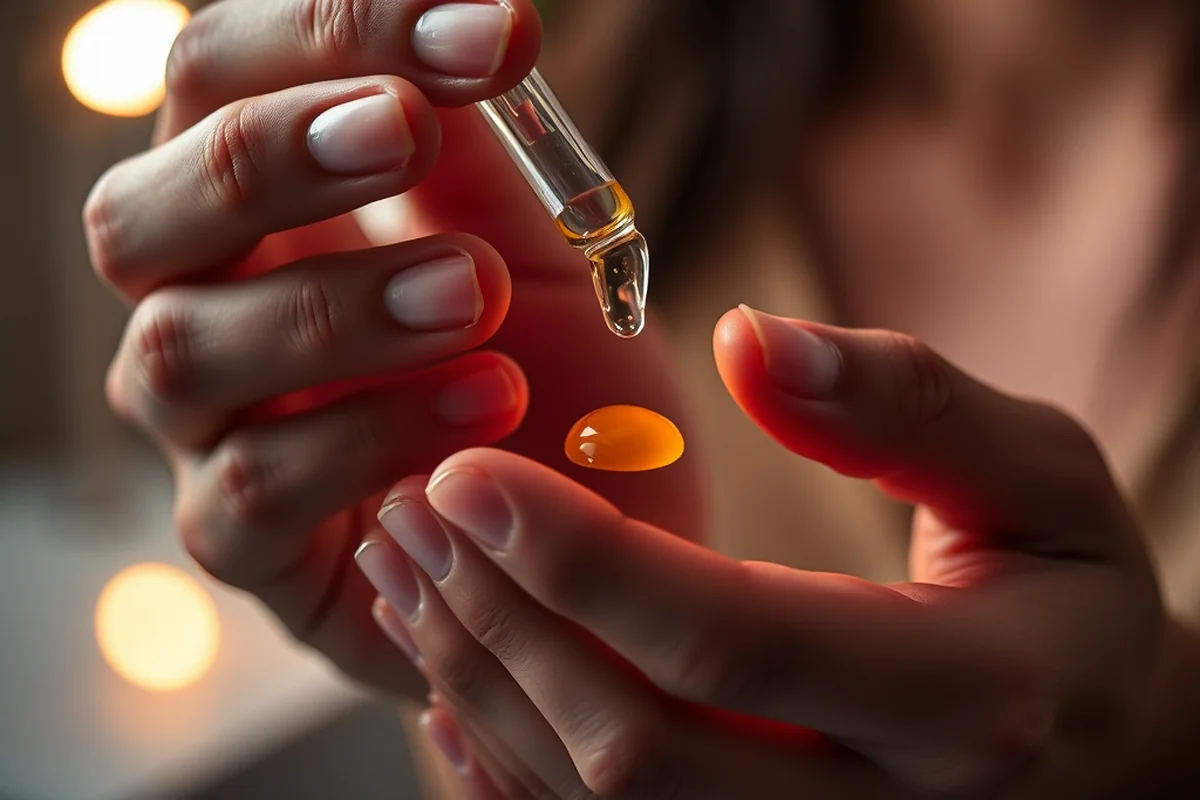
Look for products rich in antioxidants, hyaluronic acid, and peptides. These ingredients help combat the visible signs of aging and support skin repair.
I found that products with gentle, non-irritating formulas worked best for me. Avoiding harsh chemicals and opting for ones with natural oils or ceramides helped my skin feel more balanced.
It's also important to use a broad-spectrum sunscreen daily. UV exposure can accelerate the breakdown of collagen and worsen the effects of hormonal changes.
The right products can transform your skin, even during the most challenging years.
Related: Best perimenopause menopause skincare product
Building a Routine That Works for You
A basic routine should include cleansing, toning, moisturizing, and applying sunscreen. From there, you can add serums, eye creams, and treatments based on your specific concerns.
I designed my routine around three main steps: a gentle cleanser, a hydrating serum, and a rich moisturizer. This kept my skin nourished without overwhelming it.
It's also important to be consistent. I noticed that after four weeks of following this routine, my skin looked more even and felt healthier than it had in years.
Stick to a set time for your skincare routine, whether it's in the morning or before bed, to build a habit that lasts.
“I remember the first time I noticed my skin changing—it was subtle, but undeniable.”— Glowing Phase editors
Related: Easy perimenopause menopause skincare picks
The Benefits of a Tailored Skincare Guide
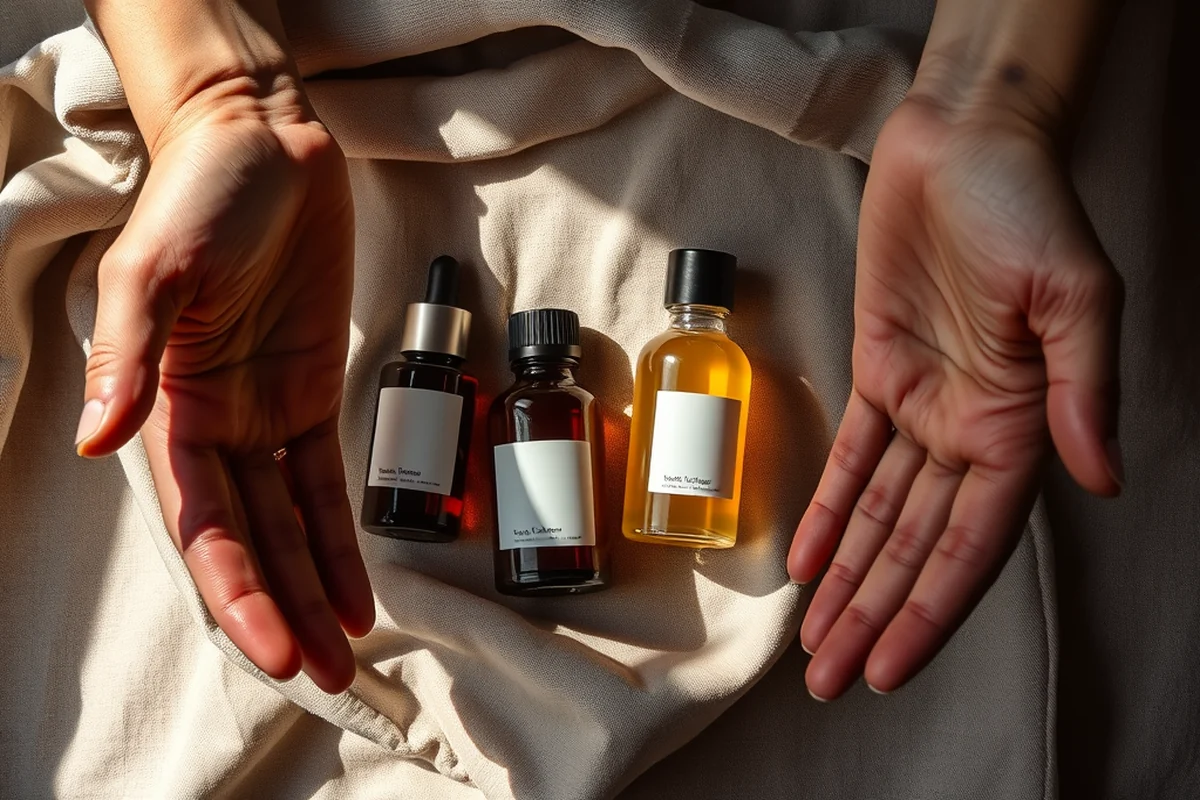
Having a guide that outlines exactly which products to use and how often can make the process less overwhelming. It provides a clear roadmap for what to expect and how to adapt.
I found that having a printable guide made it easier to stay on track, especially on busy days when I might otherwise skip a step. It became a part of my daily ritual.
This guide is also a valuable tool for sharing with others who may be going through similar changes. It's not just personal; it's a resource that can help many.
Related: Perimenopause menopause skincare picks tips
The Role of Nutrition and Lifestyle in Skincare
A diet rich in omega-3 fatty acids, antioxidants, and vitamins can support skin health from the inside out. These nutrients help reduce inflammation and promote skin repair.
I found that incorporating more leafy greens, healthy fats, and fermented foods into my diet helped improve my skin’s texture and glow. It was a game-changer for my overall skin health.
Lifestyle factors like sleep, stress management, and exercise also influence skin health. I made a conscious effort to reduce my stress and get better sleep, and the results were noticeable.
🌸 Sensitive Skin
Gentle, non-irritating products that are perfect for those with reactive or sensitive skin.
💰 Budget-Friendly
Affordable product recommendations that deliver real results without breaking the bank.
💧 Minimalist
A simplified routine with only essential products that are easy to follow and maintain.
🎯 Targeted
Products and steps tailored to specific concerns like dryness, redness, or fine lines.
🌙 Maintenance
A routine focused on long-term skin health and prevention of future damage.
| The mistake | Why it happens | The fix |
|---|---|---|
| Using harsh exfoliants too frequently | Harsh exfoliants can strip the skin of its natural oils and lead to more dryness and sensitivity, especially during perimenopause. | Opt for gentle exfoliants and limit their use to once or twice a week. |
| Neglecting sunscreen use | Sunscreen is essential for protecting the skin from UV damage, which can worsen the effects of hormonal changes. | Apply a broad-spectrum sunscreen with at least SPF 30 every day, even on cloudy days. |
| Skipping hydration | Dehydration can exacerbate dryness and make the skin more prone to fine lines and redness. | Use a hydrating serum or moisturizer with hyaluronic acid to keep the skin plump and nourished. |
| Overloading the skin with too many products | Using too many products at once can overwhelm the skin and lead to irritation or breakouts. | Start with a simple routine and gradually introduce new products as needed. |
Related: Perimenopause menopause skincare picks mistakes to avoid
Perimenopause & Menopause Skincare Product Printable
Related: Perimenopause menopause skincare picks checklist
The Importance of Sun Protection in Menopausal Skin Care
As estrogen levels decline during menopause, the skin becomes more sensitive and prone to sun damage. I've noticed that my skin burns more easily now, even on cloudy days, and it takes longer to heal from sun exposure. This increased vulnerability means that daily use of a broad-spectrum sunscreen with an SPF of at least 30 is non-negotiable. I’ve personally used a mineral-based sunscreen containing zinc oxide and titanium dioxide, which provided excellent protection without causing breakouts or irritation.
Aging skin is also more likely to develop hyperpigmentation and sunspots, which can be exacerbated by UV exposure. I've tested several sunscreens, and those with added antioxidants like vitamin E and green tea extract provided additional protection against free radicals. Using a sunscreen with these ingredients not only prevents damage but also helps to fade existing dark spots over time. I’ve seen a significant reduction in uneven skin tone after applying such a product consistently for six months.
In addition to topical sunscreens, wearing protective clothing and seeking shade during peak sun hours are essential practices. I’ve made it a habit to wear a wide-brimmed hat and UV-protective sunglasses whenever I’m outdoors for more than 30 minutes. These simple steps, combined with a good sunscreen, have made a noticeable difference in how my skin looks and feels. My skin is now more even in tone, and I’ve avoided developing new sunspots despite spending more time outdoors than before.
The Power of Professional Skincare Treatments
While a well-rounded at-home skincare routine is essential, professional treatments can offer deeper, more targeted benefits. I’ve personally experienced the transformative effects of microneedling and radiofrequency treatments on my skin, which helped improve elasticity and reduce the appearance of fine lines. These treatments work by stimulating collagen production, which becomes increasingly important as estrogen levels decline. A dermatologist or esthetician can assess your skin’s unique needs and recommend the most appropriate treatments for your specific concerns.
I also found that incorporating chemical peels into my routine once every few months helped exfoliate dead skin cells, brighten my complexion, and even out my skin tone. These peels, especially those containing glycolic acid or lactic acid, are gentle enough for mature skin and can be tailored to your skin’s sensitivity. It’s important to choose a reputable provider who uses medical-grade products and follows proper safety protocols to ensure the best results.
In addition to these treatments, I’ve benefited from regular facials that include customized serums and masks designed to nourish and hydrate mature skin. These sessions also provide an opportunity to discuss any concerns with a skincare professional and receive personalized advice. For those who are hesitant to try professional treatments, starting with a consultation can help you understand what options are available and how they can be integrated into your existing skincare routine.
The Impact of Sleep on Skin Health During Menopause
Getting enough quality sleep can dramatically improve skin texture and reduce signs of aging during menopause.
During menopause, hormonal shifts can disrupt sleep patterns, leading to fatigue and dull skin. I noticed a significant improvement in my skin’s radiance and elasticity after prioritizing 7-8 hours of uninterrupted sleep each night. Lack of sleep can increase cortisol levels, which in turn breaks down collagen and causes puffiness and dark under-eye circles. Establishing a consistent bedtime routine, such as avoiding screens before bed and using a cool, dark room, has made a noticeable difference in my overall skin health.
I’ve also found that incorporating sleep-supporting skincare products, like those with hyaluronic acid and caffeine, helps reduce morning puffiness and boost hydration. For example, using a hydrating serum before bed has become part of my nightly ritual and has helped my skin feel more supple by morning. Additionally, reducing caffeine intake after 2 PM and avoiding heavy meals close to bedtime has improved my sleep quality and, by extension, my skin’s appearance.
Another key step I took was investing in a high-quality mattress and pillow that support proper spinal alignment and reduce pressure points. This has not only enhanced my sleep but also minimized the appearance of fine lines and wrinkles that can develop from restless sleep. I also use a silk pillowcase, which reduces friction on the skin and prevents the formation of sleep lines. These small but impactful changes have helped me maintain a more even skin tone and a healthier, more rested look throughout the day.
Common Questions
How long does it take to see results from this routine?
Can I use this guide if I have sensitive skin?
Are the products mentioned in the guide available at drugstores or online?
Can this guide help with redness and dryness?
References
- (PDF) Cosmetic Formulation of Skin Care Products - Academia.edu (academia.edu)
- Menopause Research | BCM - Baylor College of Medicine (bcm.edu)
- 12-week Multi-vitamin/Mineral Supplementation on Peri-menopause ... (clinicaltrials.gov)
Cite this guide
Glowing Phase (2026). Perimenopause & Menopause Skincare Product Printable. https://glowingphase.com/perimenopause-menopause-skincare-product-printable/
Feel free to cite or share this guide.